Amendment 3 and Florida Rental Properties
A lower assessment cap does not necessarily mean a lower tax bill.
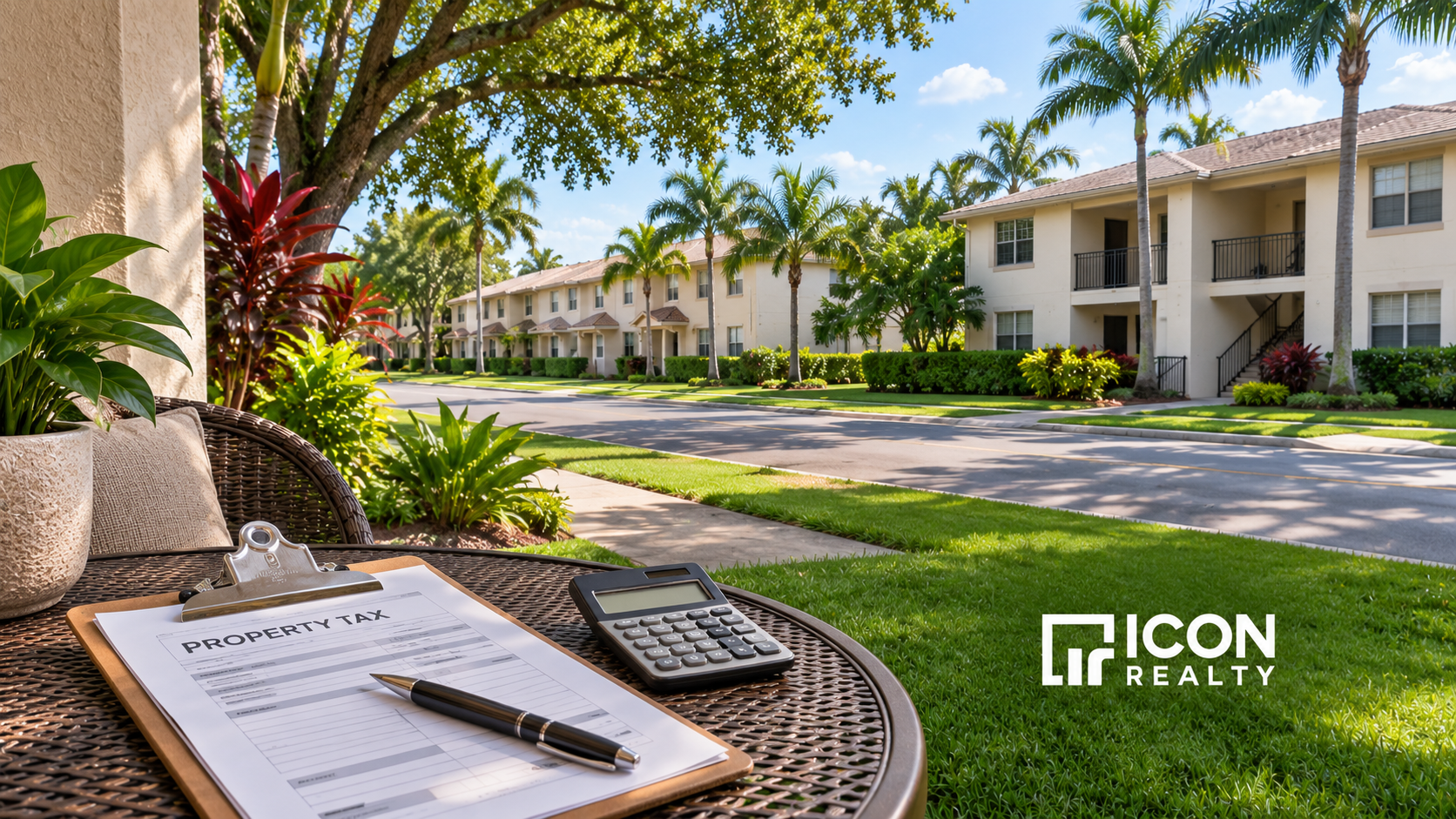
Florida voters approved Amendment 3 on November 3, 2026. Most of the discussion has focused on the larger homestead exemption, but owners of rental properties should pay attention as well. The changes take effect January 1, 2027, and will first appear on the November 2027 tax bills.
For rental owners, the benefit is a reduction in the annual assessment cap. The concern is how cities and counties respond to collecting less revenue from homesteaded properties. Depending on local decisions and further state legislation, some owners could benefit while others see little savings or higher overall expenses.
What changes for rental owners
For qualifying homesteaded properties, the exemption from property taxes other than school taxes increases to as much as $150,000 in 2027 and $250,000 in 2028, subject to residency and other requirements. A home held solely as a rental does not receive that exemption.
Instead, the annual assessment increase for qualifying properties without homestead protection is reduced from 10% to 5%. This limitation does not apply to school taxes, and separate rules still apply when ownership changes or improvements are made. The amendment preserves those distinctions.
The important point is that the 5% cap applies to assessed value, not the tax bill. For example, a property with $400,000 in taxable value for a city levy at 6 mills would owe $2,400 for that portion of its taxes. If the value increases to $420,000 and the city lawfully raises its rate to 7 mills, that portion becomes $2,940. The value increased 5%, but the tax increased 22.5%.
That is only an example. It shows why a lower assessment cap does not necessarily produce a lower bill.
Cities will have to respond
Larger homestead exemptions mean less revenue at existing tax rates. Cities and counties may reduce spending, delay projects, adjust services, or consider increases in taxes and other charges where permitted. The response will likely differ by location.
They do not have unlimited authority. Legislation enacted in June 2026 changed the calculation used to determine the maximum millage available through an ordinary majority vote. Higher rates remain possible under specified voting or referendum requirements. It is not simply a freeze on existing rates.
Further restrictions may follow. On November 4, Governor DeSantis announced plans for a special session and said he wanted to prevent local governments from replacing the lost revenue through other taxes. Owners should watch what is actually enacted before assuming cities can, or cannot, increase a particular charge.
Stormwater charges, garbage assessments, utility rates, and applicable inspection or permit fees also deserve attention. They are separate from the assessment cap. However, a city’s need for revenue does not itself authorize an increase. Municipal regulatory fees imposed under section 166.221, Florida Statutes, for example, must be reasonable and commensurate with the cost of the regulatory activity.
Enforcement is already part of the picture
Municipalities already check whether businesses have required approvals, business taxes are paid, and properties comply with local requirements. This did not begin with Amendment 3.
Miami has a dedicated unit responsible for business tax receipt and certificate of use compliance. Fort Lauderdale introduced a Certificate of Use program on October 1, 2026, requiring approval before new businesses apply for a business tax receipt. Certain changes to existing businesses also trigger the requirement.
There is not enough evidence to say every city will increase enforcement or specifically target landlords. However, checking commercial and rental properties for unpaid business taxes, expired registrations, and outstanding inspection requirements may be a relatively straightforward way to collect amounts already owed. Cities do not necessarily need to create a new charge to collect more revenue; they may focus on enforcing existing requirements. That does not give them unrestricted authority to impose fees or fines.
For owners, the practical step is to confirm that applicable registrations, tax receipts, inspections, and renewals are current. Commercial business requirements do not necessarily apply to every residential rental, and paying a business tax does not necessarily satisfy a separate inspection or registration requirement.
An unresolved issue can cost more than the fee itself. If an approval or inspection delays occupancy, the owner may lose rent while the property remains vacant.
Higher expenses do not mean tenants will pay more
Owners may try to recover increased expenses through higher rent, but the market may not support it. Tenants compare the property with other available rentals. Location, condition, size, layout, views, parking, and amenities matter. The owner’s tax bill generally does not.
Buyers should be careful too. The lower cap does not preserve the seller’s tax bill. A qualifying ownership change can trigger reassessment at just value, subject to applicable exceptions. Before purchasing, obtain an estimate that accounts for the transfer and intended rental use rather than relying on the taxes shown in the listing. For smaller residential properties without homestead protection, the applicable framework appears in section 193.1554, Florida Statutes.
For now, owners should watch further state legislation, local budget proposals, and the 2027 proposed tax notices. Amendment 3 provides additional assessment protection. Whether that leaves more money in an owner’s pocket will depend on the rest of the bill.
If you own a South Florida rental or are considering purchasing one, contact Icon Realty to discuss the property and your plans.
This article provides general educational information only and is not legal, tax, insurance, financial, accounting, construction, or investment advice. Review Icon Realty’s Website Disclaimer for additional information.
Share this post